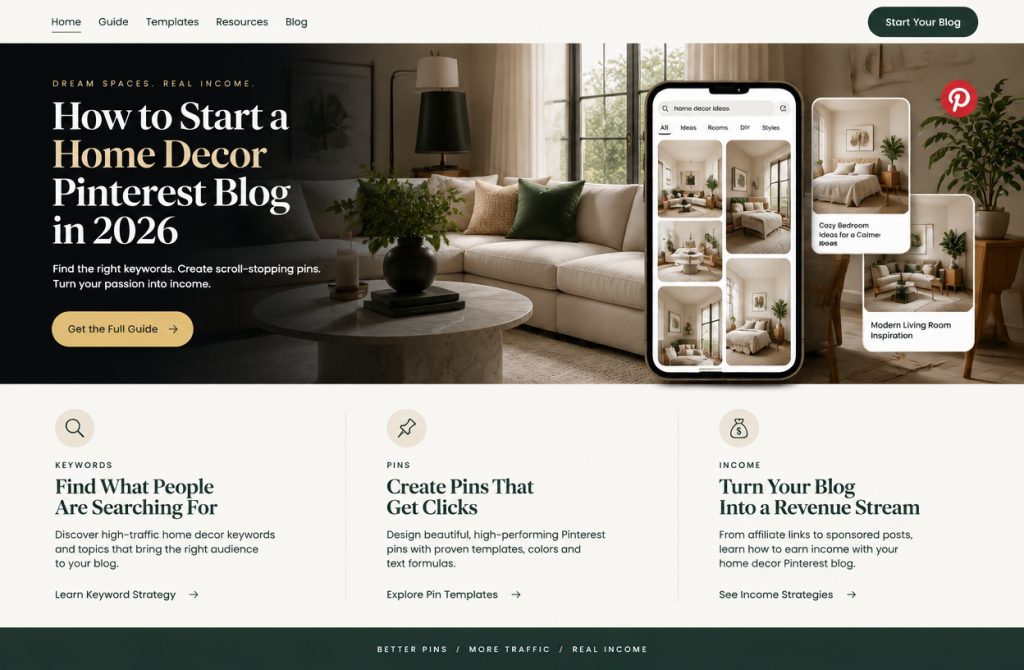
Start a home decor pinterest blog by targeting specific room keywords like small bathrooms or entryways. Create practical guides with shopping lists and post one fresh pin per article weekly. You can earn money through display ads, affiliate links and digital products.
Is home decor still a good Pinterest niche in 2026? Yes. It has some of the biggest searches on the platform, people searching it are often about to buy something, and for many “small space” keywords the top pins are new and have very few saves, so a new site can still get onto the first page.
Key Takeaways
-
Pick keywords from people changing a real room, not “aesthetic” mood-board searches that get saves but almost no clicks.
-
Organize the site room by room, and lean into “small”: small living rooms, small bathrooms, small entryways.
-
Check the top pins before you write. Few saves and recent dates mean the spot is open.
-
Useful formats win: a living room layout infographic beat every pretty room photo for that search.
-
Get seasonal pins live early: fall decor in August, Christmas decor in October.
-
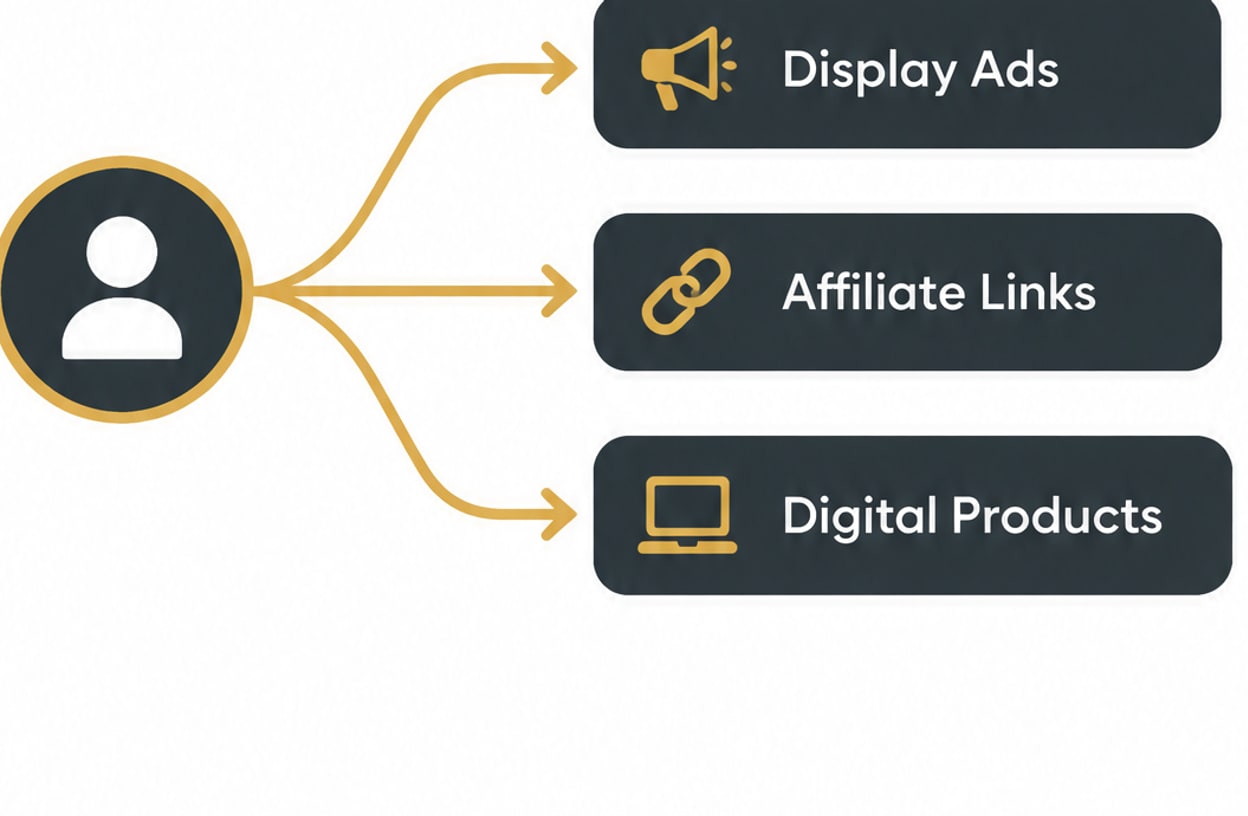
One visitor can earn three ways: ads, affiliate links and your own products.
Home decor is one of the most natural fits for Pinterest. Nobody wants to read about a cozy living room. They want to see it. And unlike many visual niches, decor searchers usually have money to spend: a rug, a lamp, a mirror, a can of paint.
This guide walks through the full plan, from keywords to income. The search numbers and pin examples come from David Kowalski’s home decor niche breakdown (October 2026), which used PinClicks data. Search volumes change, so check them again before you build on them.
Key takeaways
-
Target ‘intent’ keywords (like small space layouts) over ‘aesthetic’ keywords to get clicks instead of just saves.
-
Identify weak competition by looking for outdated pins or those with poor image quality.
-
Publish seasonal content 2 to 3 months before the peak; shift to Christmas decor in October.
-
Monetize through a mix of display ads and niche-specific affiliate programs like LTK or Amazon.
-
Use API-based automation to maintain a consistent pinning schedule without manual daily effort.
Why home decor works on Pinterest
Four things make this niche worth your time:
-
Size. “Living room decor” alone gets close to 3 million searches. Bedroom and bathroom decor each get around 2 million.
-
It is visual. Pinterest was built for exactly this kind of content: rooms, colors and layouts people can picture in their own home.
-
Buyer intent. Someone planning a bathroom makeover is about to buy towels, shelves, paint and lighting. That makes affiliate links work.
-
It repeats every year. Living room ideas get searched all year, and fall and Christmas decor searches come back every season.
Step 1: Choose keywords that lead to clicks
The biggest trap in decor is chasing huge “aesthetic” keywords. “Room ideas aesthetic” has over a million searches, but most of those people are saving pretty pictures to a mood board. They save, they scroll, and they rarely visit a website. Some big decor keywords aren’t even about real homes. “Bloxburg” room ideas are for a video game.
It’s the difference between an aesthetic keyword and an intent keyword. A phrase like “boho living room” is aesthetic; people save it for inspiration. A phrase like “boho living room layout for small apartments” shows intent. That person has a specific problem to solve and is more likely to click your link to find the answer.
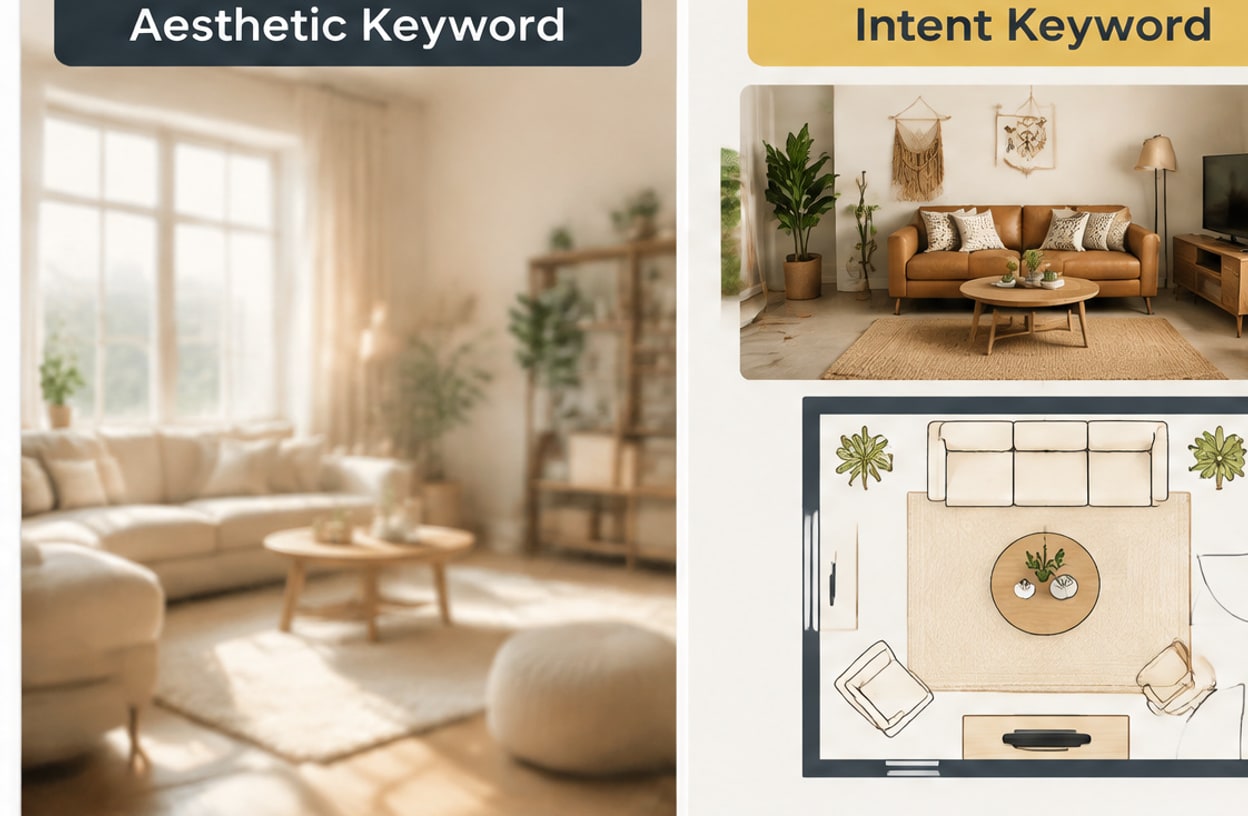
Use one simple filter: is this person trying to change a real room in their own home? If yes, it’s a keyword worth targeting. If not, skip it.
Organize your site like a house
Group keywords by room. Each room becomes a category on your blog:
-
Living room: small living room (~312K searches), small living room decor (~309K), small living room layout (~90K), small apartment living room (~63K)
-
Bedroom: small bedroom decor (~93K), apartment bedroom decor (~48K)
-
Bathroom: small bathroom decor (~352K), bathroom counter decor (~95K), half bathroom decor (~68K)
-
Entryway: entryway ideas (~673K), entryway table decor (~159K), small entryway ideas (~147K), narrow entryway ideas (~71K)
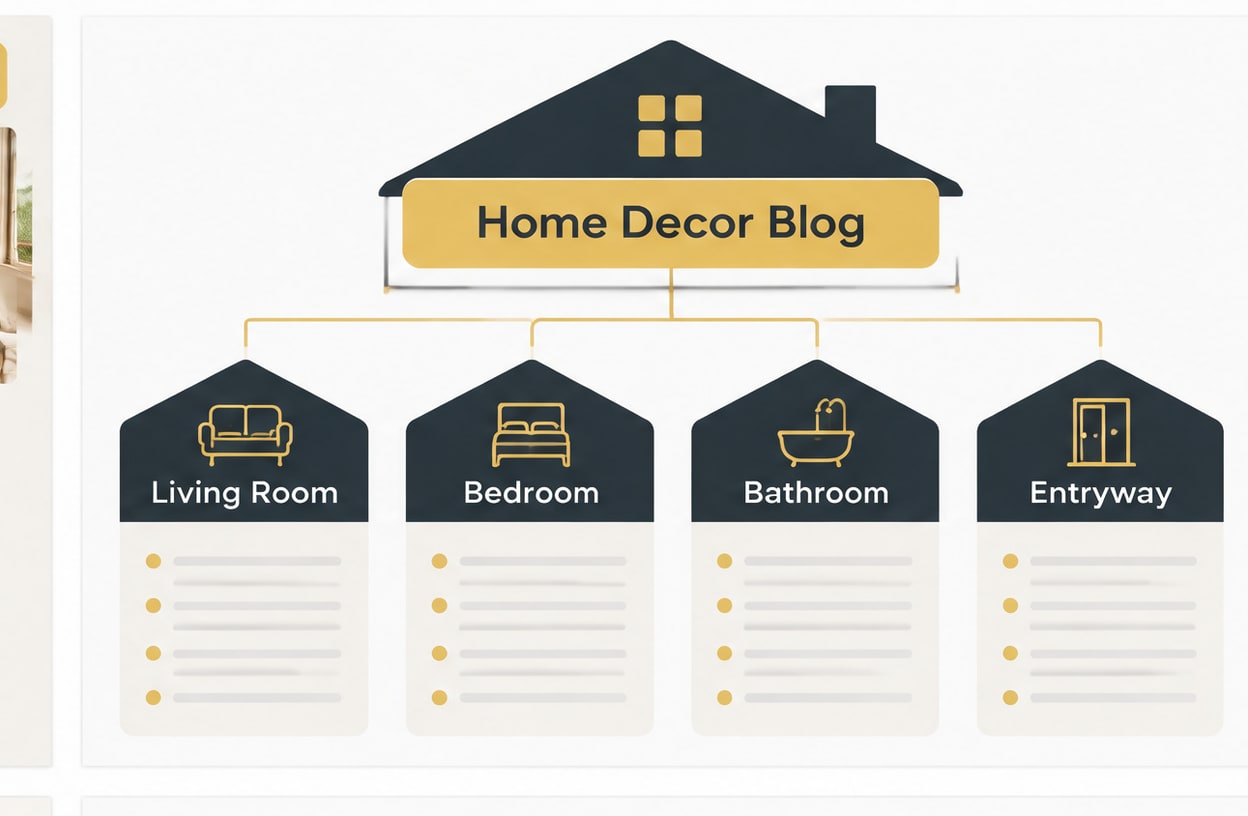
Notice how often “small” shows up. Most people on Pinterest live in apartments and ordinary houses, not mansions. Write for them.
Think in three layers
-
Broad keywords like “home decor ideas” or “living room decor” are huge but too vague for one article and too competitive for a new site. Leave them alone at first.
-
Room keywords like “small bathroom decor” or “entryway ideas” become your categories and board names.
-
Long-tail keywords like “small living room with dining area” (~34K) or “very small living room ideas” (~36K) describe one specific problem. One focused article can win each of these.
Not sure how to break a room into article ideas? The free Topic planner turns a seed topic into groups of post ideas, and the keyword tool expands a seed phrase into related searches. For the full method, see our Pinterest keyword research guide.
Step 2: Check the competition before you write
Before writing a single article, search the keyword on Pinterest (or open a top-pins report in a keyword tool) and look at what is already ranking.
For “small living room decor,” a keyword with over 300,000 searches, 19 of the top 23 pins had fewer than 50 saves, and most were only a couple of weeks old. That tells you two things:
-
Pinterest keeps testing new pins for this search.
-
The bar is low. You don’t need a famous account.
-
You need a good pin on the right keyword, posted steadily.
Look for weak pins to find your opening. These are pins with blurry images, content from 2022 or earlier, or links that send users to a generic homepage instead of a specific article. If the top results are outdated or broken, your fresh, targeted content will likely outrank them.
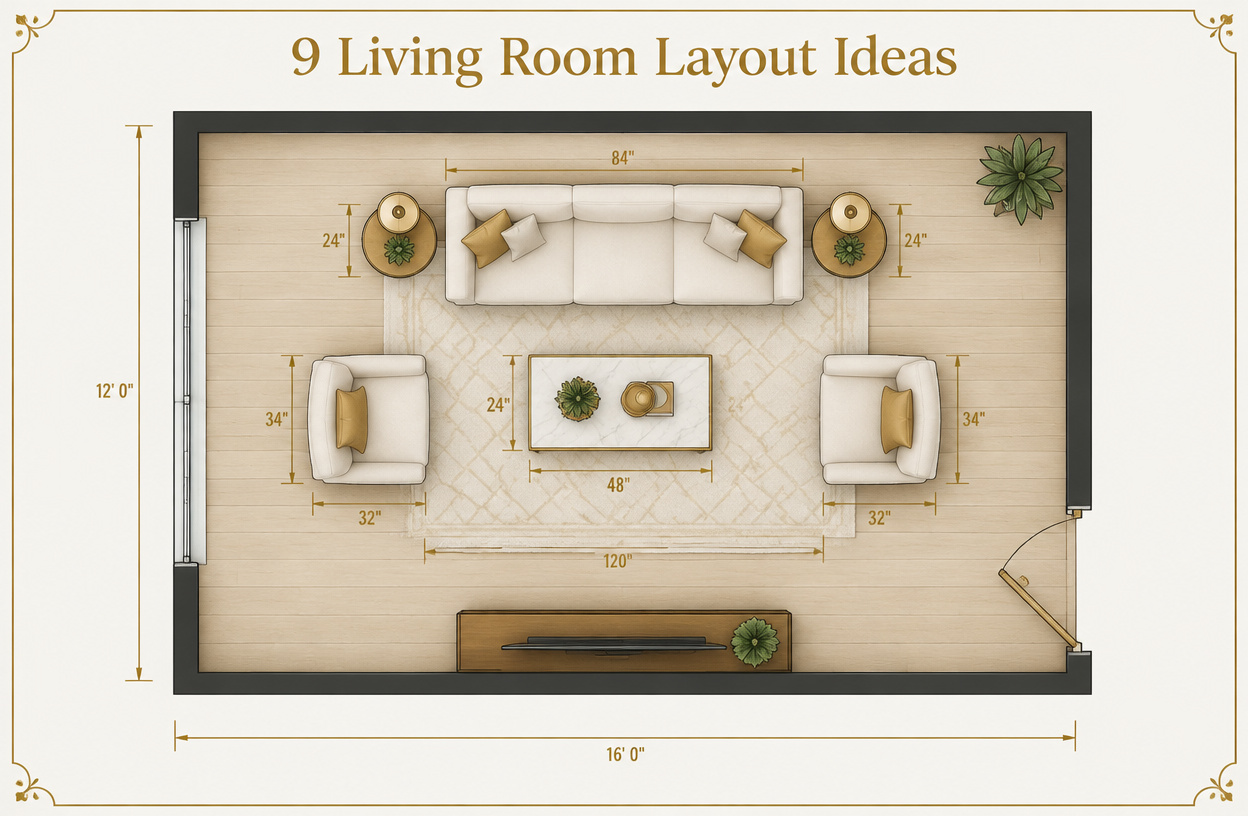
Then look at which pin has the most saves. For this search it wasn’t a beautiful room photo. It was a simple floor-plan infographic, “9 living room layout ideas,” with furniture drawn from above and more than 4,000 saves. Someone with an awkward small living room doesn’t only want inspiration. They want to know where the sofa goes. Useful content gets saved and revisited.
Also note what else ranks. The number one result for that search was an Etsy listing for floating shelves. When products rank, people are in a buying mood.
How to spot a gap in the competition
You find a content gap by analyzing the top 10 pins for a specific keyword and identifying what those articles miss. If the leading results are outdated, vague, or lack a clear a checklist, you can win by providing the specific details readers actually want.
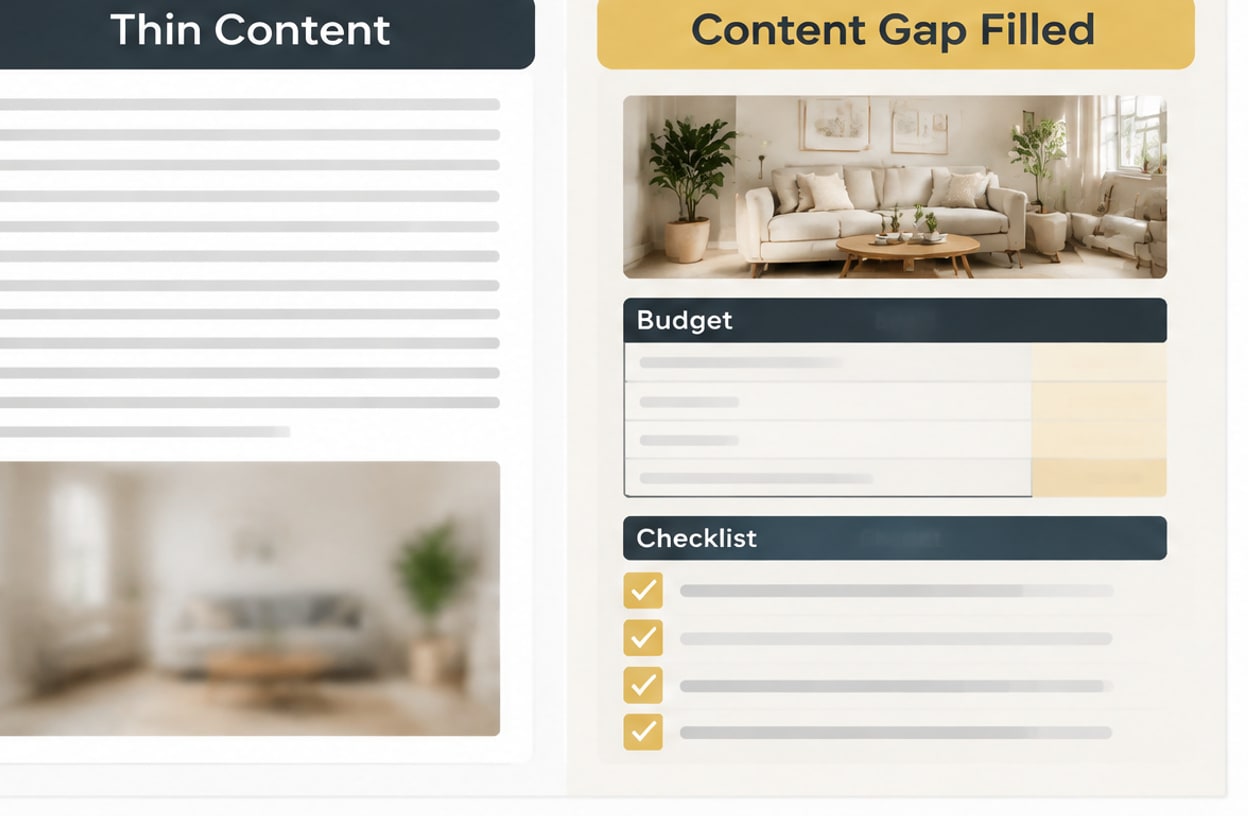
This process is a core part of Pinterest keyword research. Don’t just look at the images; click through to the landing pages to see where the current content fails.
-
Check for “thin” content. If a pin promises “10 Boho Living Room Ideas” but the article only has two paragraphs of text and no product links, a detailed guide will outrank it.
-
Look for outdated advice. Decor trends move fast. An article from 2022 mentioning “Millennial Gray” is a gap you can fill with 2026 color palettes.
-
Find missing utility. Many decor blogs describe a look but don’t tell the reader how to achieve it. Add a budget breakdown or a specific shopping list to create a better resource.
-
Scan for poor formatting. If the top pins lead to walls of text without headers or lists, a well-structured post will keep users on the page longer.
It’s a fast way to audit competition in 10 minutes. But don’t try to beat a high-authority site on a generic term like “living room decor.” Find a narrower gap, like “small apartment living room decor for renters,” where the top 10 results are mediocre.
Step 3: Turn the research into an article list
Start with about 12 articles: a few per room, plus one seasonal post and one shopping post. For example:
-
Small living room layout ideas
-
Small living room decor on a budget
-
Small living room with dining area
-
Very small living room ideas
-
Small bathroom decor ideas
-
Bathroom counter decor
-
Small entryway ideas
-
Entryway table decor
-
Apartment bedroom decor
-
Small bedroom makeover on a budget
-
Cozy fall decor ideas for the home
-
Amazon home decor finds
Link every article to the others in the same room. That clustering helps Pinterest (and Google) see your site as the place for small-space decor.
Stop the Pinterest bounce
Pinterest users leave your site the moment they feel the “click gap,” which happens when your blog page looks nothing like the pin they clicked. If your pin shows a minimalist scandi-living room but your landing page is a wall of text with a generic stock photo, they’ll hit the back button in seconds.
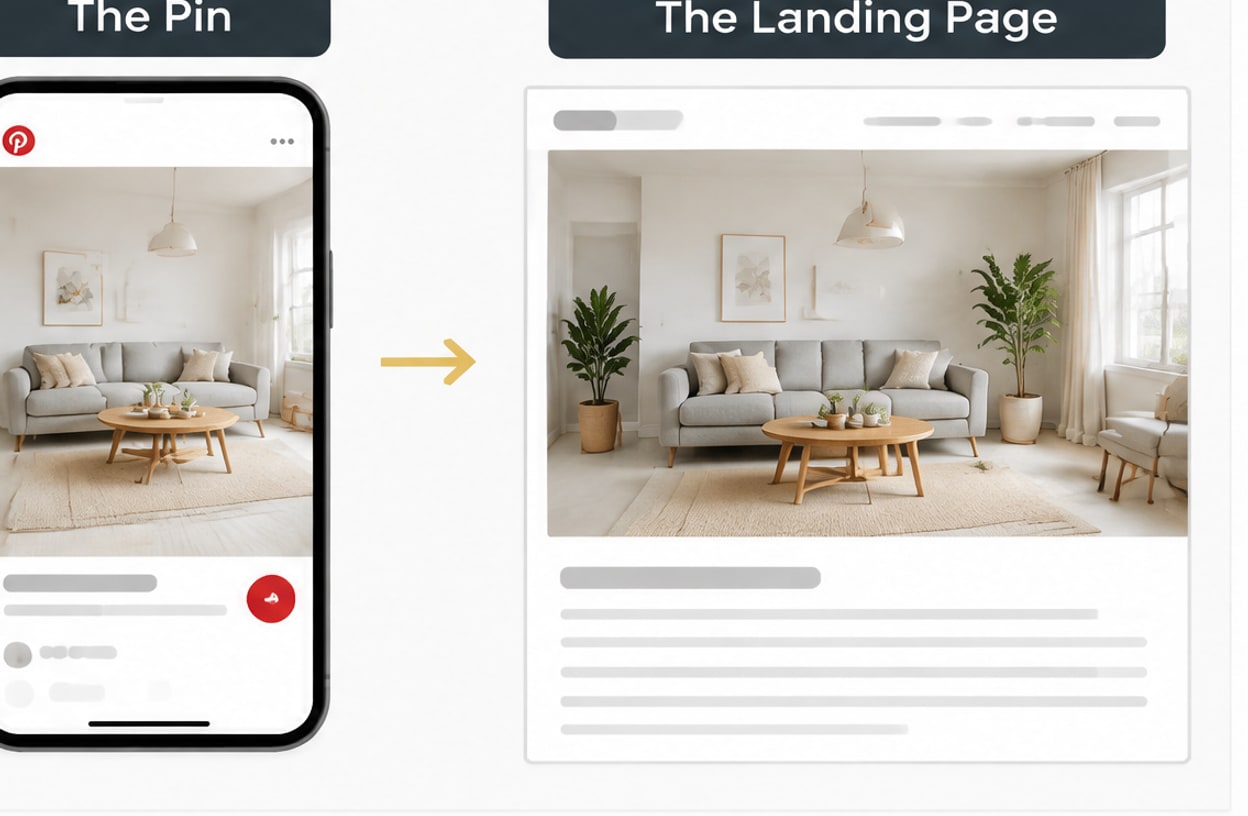
You need to mirror the visual energy of the platform. A reader coming from a home decor pin wants immediate visual confirmation that they’re in the right place. They aren’t looking for a long introduction; they want the specific product, color palette, or layout they saw on their feed.
-
Place the exact image from the pin at the top of the post.
-
Use a “Shop the Look” section with direct links to the items shown.
-
Insert a gallery of 4 to 6 similar styles to keep them browsing.
-
Remove intrusive pop-ups that block the main image on mobile devices.
-
Add a clear, bold heading that matches the pin’s text overlay.
This layout transforms a random click into a session. When you provide a visual bridge, you lower the bounce rate and increase the time a visitor spends on your site.
Step 4: Write articles people can actually use
AI writing tools can speed up first drafts, but a decor article only works if it solves the reader’s problem. Whether you write by hand or edit an AI draft, every article should include:
-
Real measurements. “Small” means different things to different people. A quick box at the top showing which room sizes each idea suits is very helpful.
-
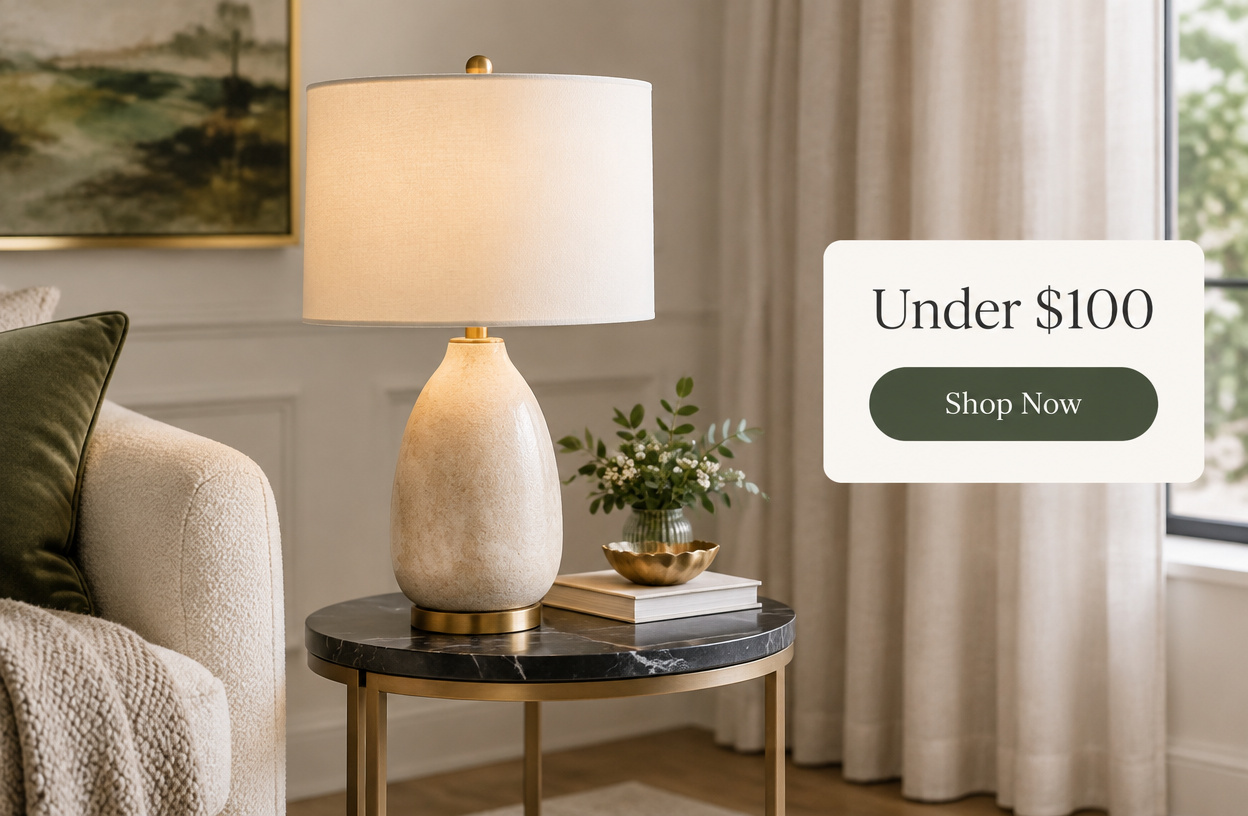
A cost for each idea: under $50, under $100, and so on.
-
A short shopping list after each idea with the exact rug, lamp or shelf. These are your affiliate links.
-
A “what to avoid” section, which makes the advice feel honest and specific.
-
A tall image inside the post so readers can save it to Pinterest straight from your page.
Give the title the keyword plus a promise, for example: “12 Small Living Room Ideas on a Budget That Make Your Space Feel Bigger.” Then check every fact, add your own photos or experience where you can, and put your name on it.
Step 5: Design pins in proven decor formats
When you line up the top pins for small-space decor, three patterns stand out:
-
Numbers in the headline. “15 small living room ideas,” “26 space-saving tricks.” A number tells people exactly how many ideas they’ll get.
-
Collages. Four, six or even nine rooms on one pin, a whole mood board in a single image.
-
Big, readable text over the photo, legible on a phone at a glance.
A few designs to try:
-
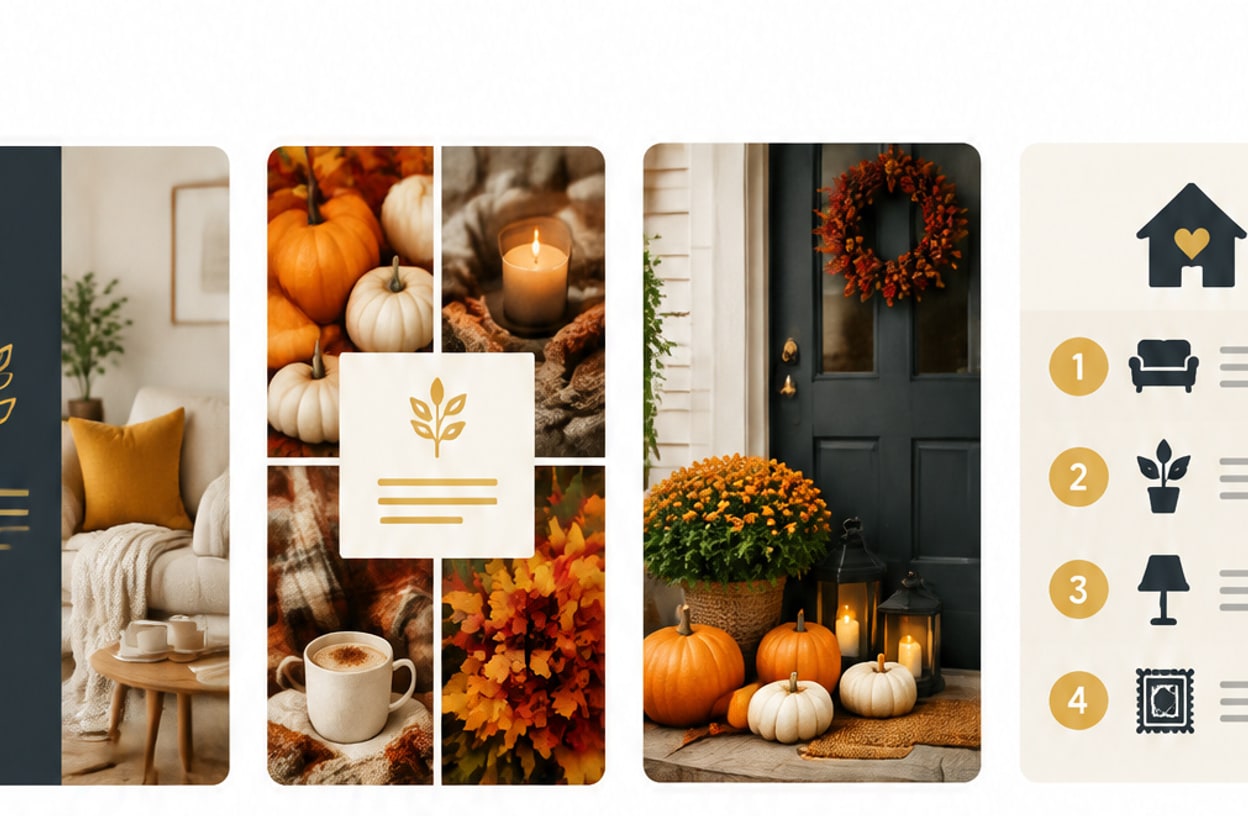
Split design: two different rooms with a bold color band and a large number in the middle.
-
Collage with a center box: four entryways around a white box with the title.
-
Seasonal pin: warm candles and pumpkins with a fun retro font for fall decor.
-
Your own useful infographic: make your own version of the layout format that worked, such as three small living room layouts drawn from above. Don’t copy someone else’s pin. Make a new one in a format that’s proven to get saved. It can double as a free download for your email list.
Avoid using the same room photo twice on one pin. It looks lazy and promises only one idea. More pin design advice is in our guide to pin designs that get clicked.
Make the words match the image
-
Pin title: keyword first, then the benefit. “Small Living Room Layout Ideas: 9 Ways to Fit Everything in a Tiny Space.”
-
Description: use the related phrases you found in research, such as “best layout for small living room,” “rug layout living room” and “living area floor plan,” written as normal sentences, not a list of tags.
-
Board: name it after the keyword. “Small Living Room Ideas” tells Pinterest far more than “Home Sweet Home.” See our board optimization guide.
When the image text, title, description, board and article all say the same thing, Pinterest knows exactly who to show your pin to.
Step 6: Publish seasonal content early
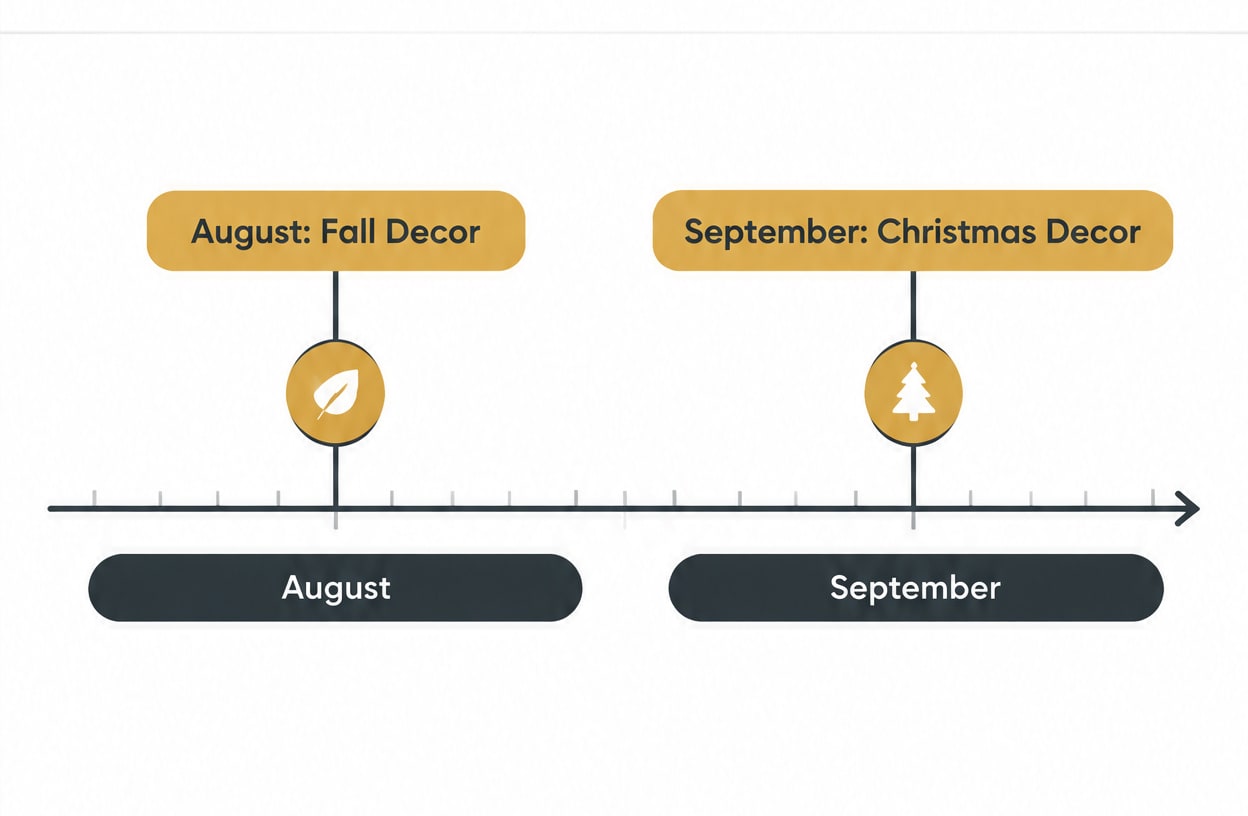
Decor has two big seasons. Fall decor gets around 460,000 searches, and Christmas decor for the living room close to 190,000. Pinterest users plan ahead, so:
-
Fall decor pins should have been live in August.
-
Christmas decor pins must be live now. A Christmas pin posted in December arrives after most people have already decorated.
Our free Trend Finder suggests seasonal angles for your niche so you can plan these posts a season ahead.
Step 7: Earn from the same visitor three ways
-
Display ads. Decor articles are long and image-heavy, and readers scroll slowly comparing ideas. Once your traffic grows enough to join an ad network, every visit earns.
-
Affiliate links. Every room article is a shopping list. If you recommend a rug, link to it through programs like LTK (LikeToKnowIt) or ShareASale. Amazon Associates offers a 3.00% standard commission for the Furniture, Home, Home Improvement, Lawn & Garden, and Pets Products categories in the U.S. Leaving out affiliate links on posts people are actively shopping from is the most common missed opportunity in this niche.
-
Your own digital products. A room layout planner, a color palette guide or a small-space makeover checklist. Offer a free version, like a “small living room layout guide,” inside every article in that room’s cluster. The readers are exactly the people who want it. Build the email list first and sell the full planner later. Here’s how to turn Pinterest traffic into email subscribers.
Common home decor mistakes on Pinterest
-
Chasing “aesthetic” keywords that get saves but almost no clicks.
-
Using the same photo twice on one pin.
-
Writing about luxury homes when your readers live in small apartments.
-
Posting seasonal decor too late.
-
Publishing shopping-style posts with no affiliate links.
A simple plan to start this week
-
Research: pick one room and list its room keyword and five long-tail keywords.
-
Check the top pins for each keyword and note which formats get the most saves.
-
Write the first three articles with sizes, costs and shopping lists.
-
Post one fresh pin per article per week, and test different designs.
-
Add affiliate links to the posts that get the most clicks, then double down on what works.
-
Start collecting emails early with a free guide for each room.
How PinBoostr helps with the pin side
The research and writing are yours. PinBoostr helps you keep the weekly pin schedule going without spending every evening in a design tool. Connect your blog and the Growth Brain AI pin queue prepares fresh pins for your articles, with keyword-led titles, descriptions and matching boards. You review and approve every pin, and approved pins publish on a paced schedule. Keyword research inside the dashboard shows search ranges next to each keyword and matches them to posts you already have.

You can try the free Pinterest tools with no account, or start on the free plan when you’re ready to schedule.
FAQ
How long does a new home decor blog take to get Pinterest traffic? It usually takes a few months of steady weekly pins before clicks become regular, because Pinterest needs time to learn what your site is about. Seasonal posts can move faster if they’re live before the season starts.
Do I need my own photos for a decor blog? Your own photos build the most trust, but many decor bloggers start with properly licensed images or AI-generated room images, clearly edited and checked. Pinterest labels some AI-modified images. See our note on the Pinterest AI modified label.
How many pins should I make per article? One new pin per article per week is a safe, steady pace. Change the design and angle each time instead of reposting the same image.